
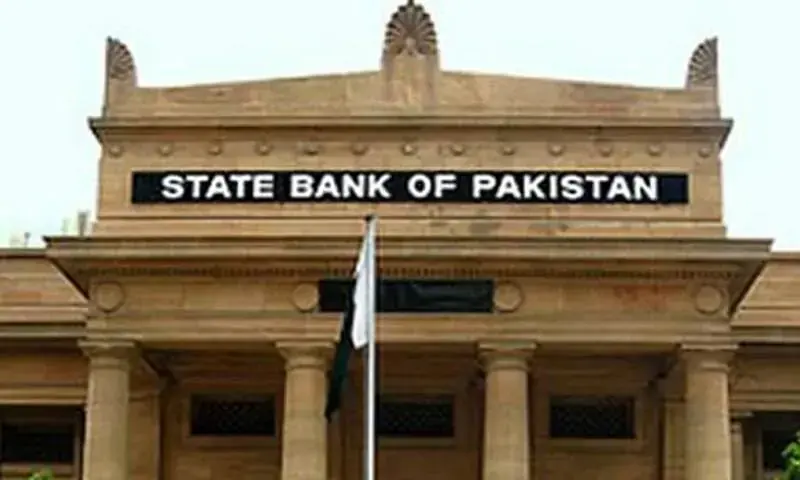
KARACHI: The State Bank of Pakistan (SBP) on Friday began implementing the Women Entrepreneurship Finance (WE-FI) Code, adopted on July 7, 2025, to dismantle the financial barriers faced by women-led businesses.
To kick off the implementation of the code, the central bank held a two-day workshop in collaboration with the Asian Development Bank (ADB) in Islamabad, bringing together signatory banks, regulators, and development partners to formulate a concrete national action plan, the central bank said in a statement.
“We are building pathways that ensure women entrepreneurs can fully participate in and contribute to Pakistan’s economic growth,” said SBP Deputy Governor Saleem Ullah while addressing the inaugural consultative workshop. He reaffirmed SBP’s commitment to advancing the agenda of promoting women’s entrepreneurship and their access to finance to build an inclusive and sustainable financial system, as outlined in its Strategic Plan 2028.
Mr Saleem also highlighted SBP’s continued commitment to advancing women’s financial inclusion through banking on equality policy and digital initiatives.
He said that while access to financial services has improved, structural barriers continue to limit women entrepreneurs’ access to formal credit. In this context, he emphasised that the code represents a crucial and actionable framework.
As the lead implementing agency in Pakistan, SBP has mobilised a coalition of 23 financial institutions — including conventional, Islamic, and microfinance banks — alongside the Pakistan Banks Association (PBA), all united under the code’s action-oriented framework.
The workshop concentrated on actionable strategies for gender-intelligent product innovation, improved data collection and reporting, and strengthened credit appraisal mechanisms tailored to women-led enterprises.
Before the workshop, a delegation of senior officials from the SBP and ADB convened a Roadshow on the WE-FI Code for key ecosystem stakeholders beyond the financial sector. The delegation held strategic dialogues with the Securities and Exchange Commission of Pakistan, Pakistan Telecommunication Authority, and Small and Medium Enterprises Development Authority.